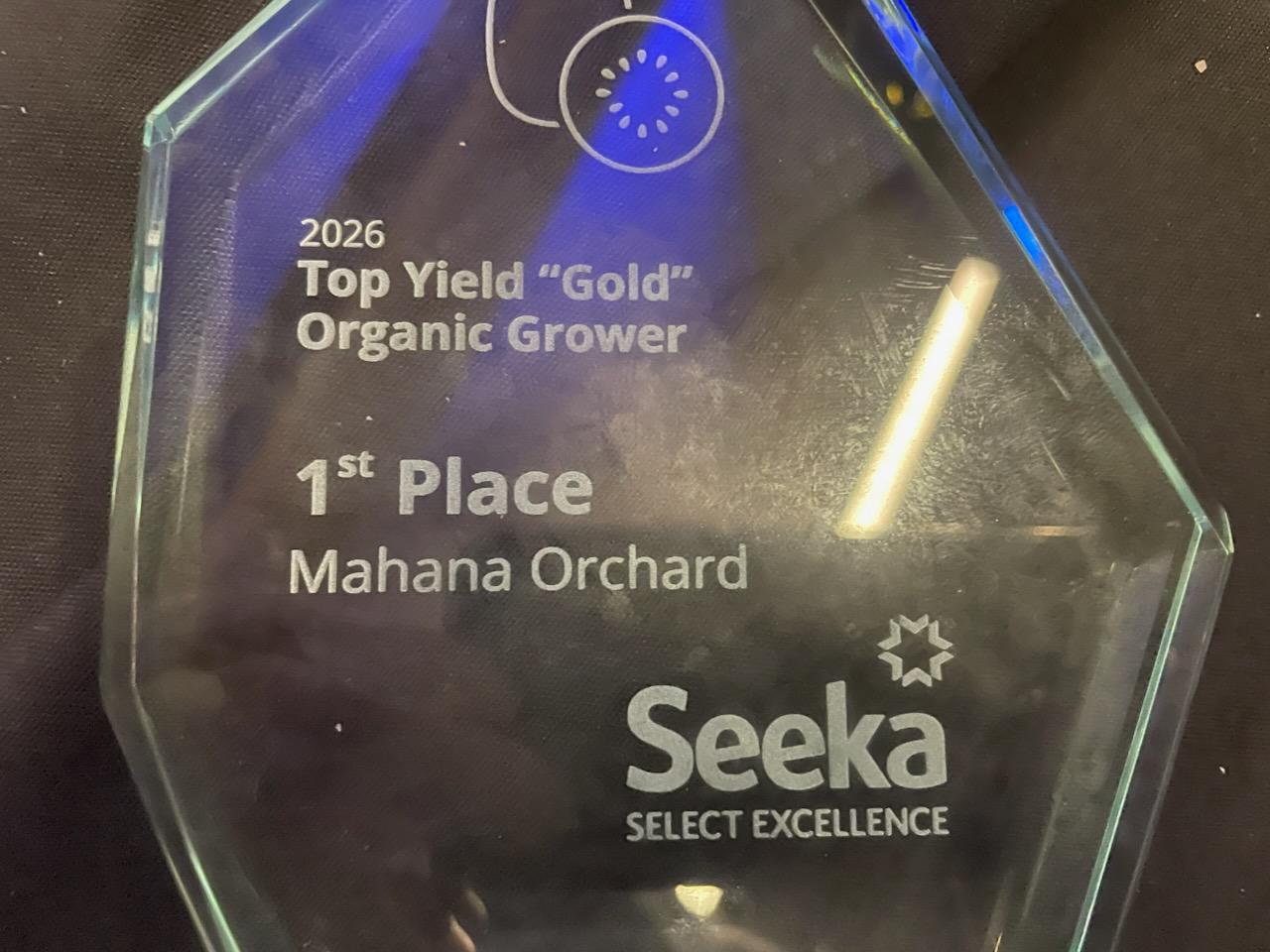
The story of Mahana orchard is just as much a story about the owner as it is a story about soil, plants, and the influence of the landscape on the ecosystem. John Burke and his twin brother Rick have been widely recognised in New Zealand for their work in leading catchment communities and restoring natural landscapes and water quality.
We met John at a field day about soil regeneration and multi-species cover crops on his son James Burke’s lease block. This was four years ago, and immediately there was a strong connection based on a mutual passion for soil, ecosystems, and farming in general. ReviveAg had just started out and we had three conventional kiwifruit orchards on our books. When John heard about our vision and plans for implementing Precision Ag into the kiwifruit and broader agricultural space in New Zealand, he casually remarked: “I have a 4 ha gold organic block on Benner Road — go and do on it what you think would work.”
That is the character and persona of the man. If his block could serve as an experimental site that the wider industry could benefit from, he was happy for us to go for it. At the time, John had already done a lot of good things on his block. He had established multi-species cover crops, stopped using glyphosate and hydrogen cyanamide (Hi-Cane) sprays, and made a conscious effort to improve soil and ecosystem health through his management practices. The orchard was producing about 11,000 trays per hectare at the time, and in some years optimum fruit size was a challenge.
We started with a baseline soil study using grid soil sampling and compaction testing. We also contracted a third party to carry out soil classification on the orchard. All of this helped us gain a better understanding of nutrient variability and soil physical differences across the block. We addressed nutrient deficiencies with variable-rate organic fertiliser applications, while at the same time identifying areas with excess nutrients and withholding nutrients from those areas to get the balance right. What followed was not a high-cost, technologically advanced process — it was simply about getting a proper understanding of the limiting factors and what we could do to address them.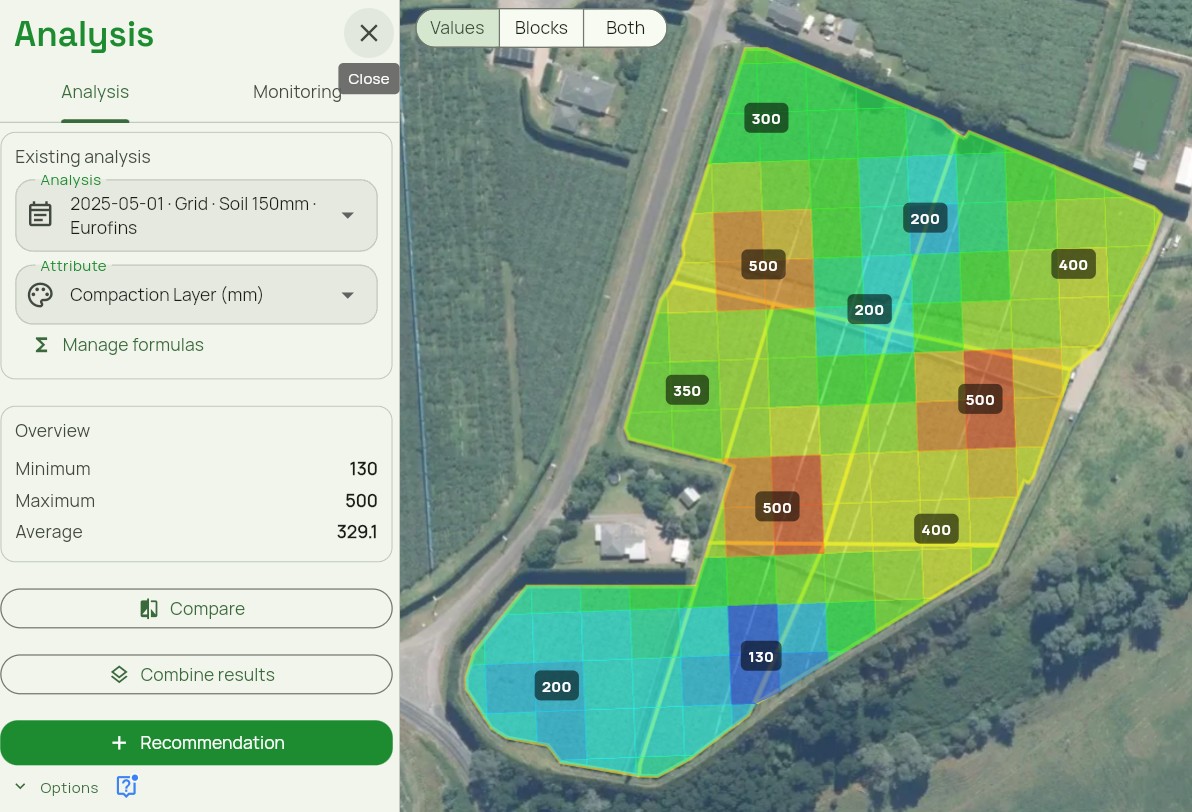
We ripped the compacted areas, using heatmaps that showed the depth of compaction to guide the operators on depth management. We made sure to use a multi-species plant mix with enough diversity to improve soil health and create a haven for natural pollinators. Norman Higgins brought his soil food web skills to the table and began measuring and monitoring soil health parameters such as fungal:bacterial ratios, microbial life in compost amendments, and plant sap testing to verify that nutrient levels in the plant were within optimum ranges and that the nutrient management strategies were working.
Then the dial started to shift. You could see the kiwifruit vines and the cover crops starting to flourish, and with that we began to see changes in measurable parameters. For instance, the Potential Available Nitrogen in soil analysis — the nitrogen that is mineralised in the soil — in this block is more than double that of the conventional blocks literally just down the road. 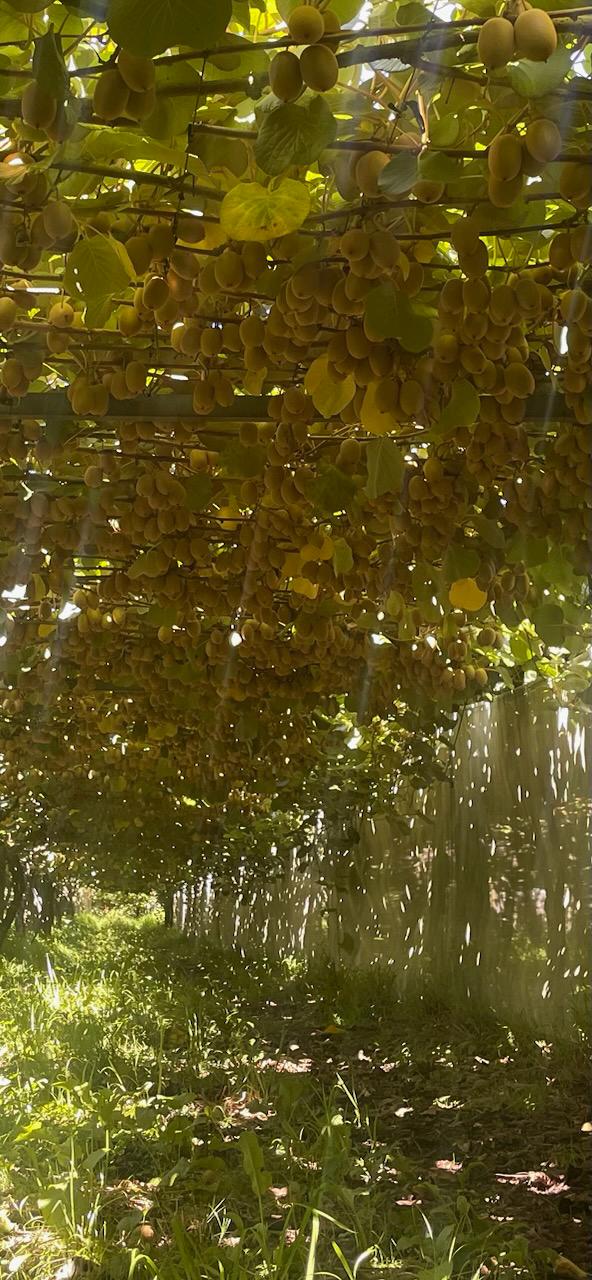
Insect and bird life in the orchard started to come alive, and you could sense that the ecosystem was thriving when you set foot in the orchard.Crop yield and fruit size also started to respond, and for the past two harvests Mahana’s crop has exceeded 16,000 trays per hectare. Such was their success that they were recently awarded the trophy for first place as the “Top Yield Gold Organic Grower” in the Seeka group.
ReviveAg is proud to be part of their success story and Mahana’s journey to become a pinnacle for other organic growers. This journey is an example of what can be achieved when you build a strong team around you. The results were a product of efficient nutrient and ecosystem management, combined with excellent orchard management from all stakeholders involved. But the real hero is John — not because he had the most knowledge, but because he was brave enough to think outside the box, embrace technology and holistic ecosystem management, and above all, respect the laws of nature.